di Raúl | Lug 25, 2026 | A1 Inglese per principianti
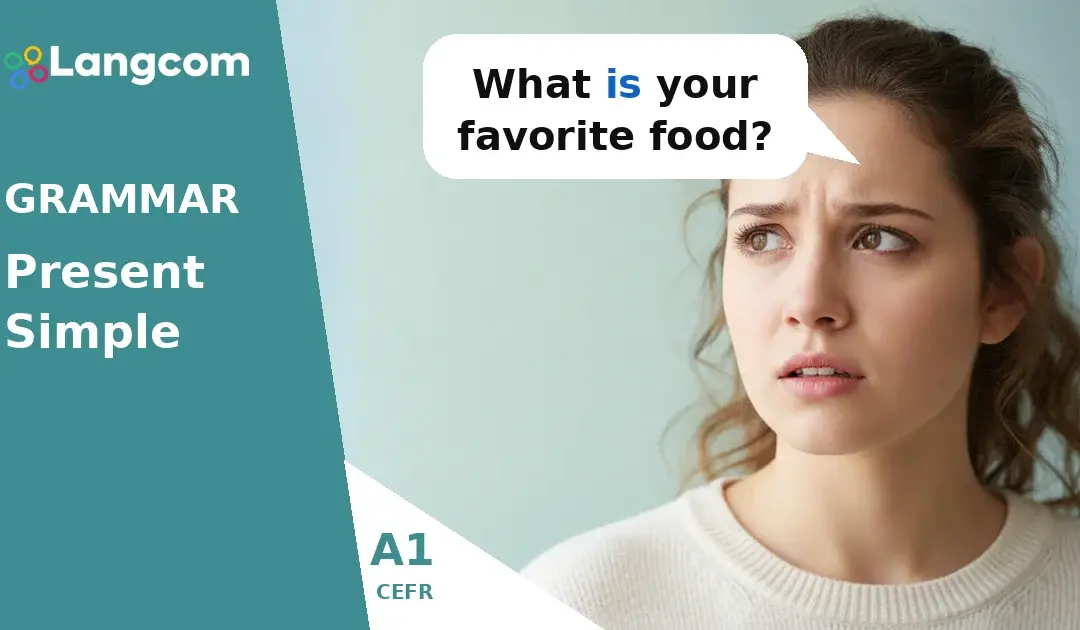
Wh- questions ask for specific information in English and always start with a ‘Wh- word’ like What, Where, When, Who, or Why. These questions help you learn more details than a simple ‘yes’ or ‘no’ answer. For example, instead of...
di Raúl | Lug 25, 2026 | A1 Inglese per principianti
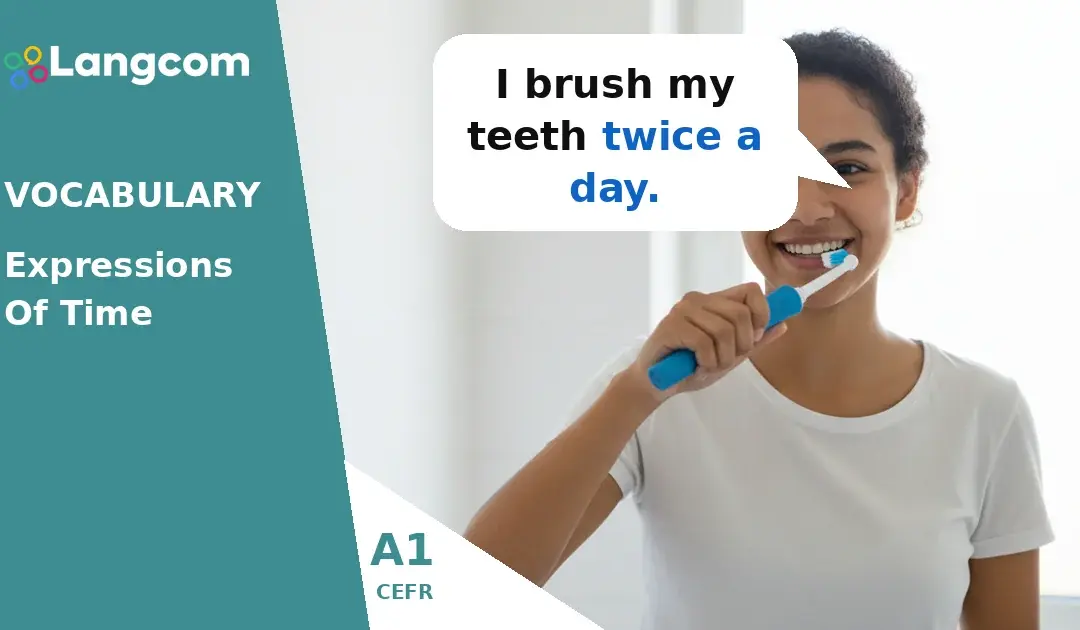
To talk about how often you do something in English, use simple time expressions like once a week, twice a month, or every day. These phrases help you describe the frequency of your actions clearly. For example, you can say I play football once a week or She drinks...

di Raúl | Lug 25, 2026 | A1 Inglese per principianti
Adverbs of frequency like always, usually, often, and never tell us how often something happens. In English, their position in a sentence is very important for clear communication. There are two main rules to remember for A1 English. First, for most verbs (like eat,...

di Raúl | Lug 23, 2026 | A1 Inglese per principianti
The letters ou in English can make different sounds. This is common in English pronunciation! For A1 learners, it’s important to know the three main sounds of ou to speak more clearly. First, ou often sounds like ow in cow. You hear this in words like house,...
di Raúl | Lug 19, 2026 | A1 Inglese per principianti
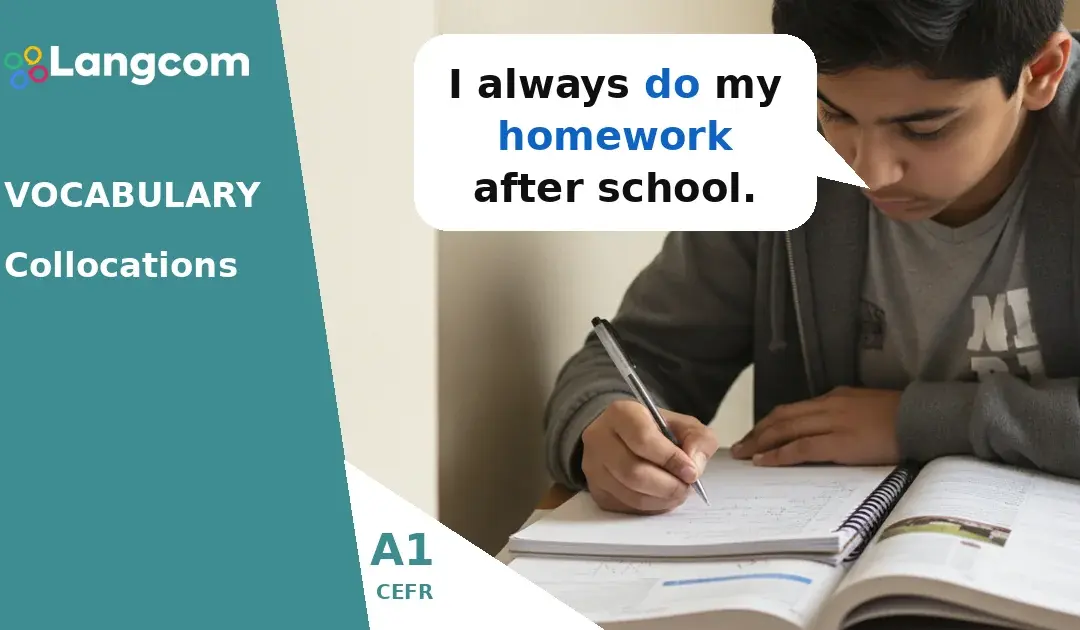
Collocations are words that naturally go together in English. Learning collocations helps your English sound more natural and fluent, just like a native speaker. Instead of saying words separately, collocations are like ready-made phrases. For example, we say do...

di Raúl | Lug 19, 2026 | A1 Inglese per principianti
We use be going to questions to ask about future plans and intentions. This is how we ask about things we have already decided to do. For example, if you want to know a friend’s plans for the weekend, you can ask, What are you going to do this weekend? This...
